Vancouver Island Rail Trail Expansion Gains Momentum

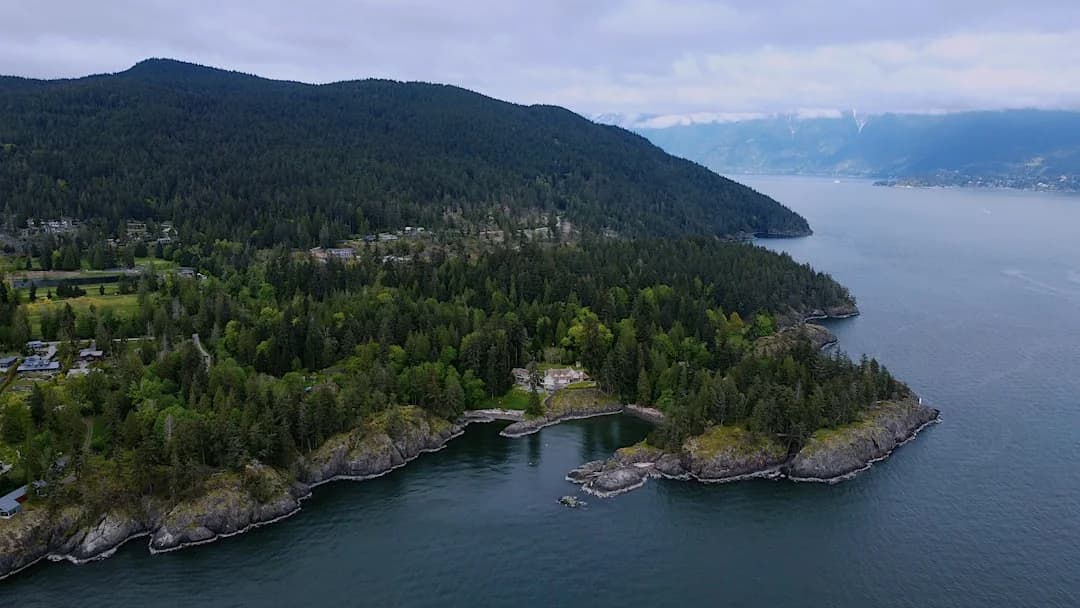
Photo by Jo Filmmaker on Unsplash
The announcement marks a pivotal moment for Vancouver Island’s transportation future. On December 11, 2025, a coalition led by Lekwungen Nations and supported by local governments announced a partnership to explore the Island Rail Corridor’s potential, with a focus on passenger rail between Victoria and Langford and on governance that respects Indigenous rights. This Vancouver Island rail trail expansion conversation comes alongside ongoing work to extend non-motorized corridors along the historic E&N route, including the E&N Rail Trail – Humpback Connector, which is advancing as a major link for biking and walking between the southern tip of Vancouver Island and the West Shore. The momentum matters not only for mobility and tourism but for how regional planning integrates Indigenous leadership, freight outcomes, and climate goals across a corridor that stretches nearly 289 kilometers from Victoria to Courtenay. (crd.ca)
This news comes amid a broader set of initiatives and studies that frame the Vancouver Island rail trail expansion as part of a long-term transportation strategy. The Island Rail Corridor, formerly known as the E&N Rail Corridor, is owned by the Island Corridor Foundation (ICF) and operated under contract by the Southern Railway of Vancouver Island (SVI). Government and regional district reports describe a corridor that runs from Victoria to Courtenay, with connections at Parksville and Port Alberni, and a history of phased upgrades considered to support freight, intercity passenger service, and commuter rail. In short, the current moment is less about a single project and more about a coordinated program of rail corridor renewal, trail development, and governance reforms that could alter how people move on Vancouver Island for decades to come. (www2.gov.bc.ca)
Section 1: What Happened
Partnership marks a new governance path for the Island Rail Corridor
The December 11, 2025 media release from the Capital Regional District (CRD) announced a historic government-to-government collaboration: the Lekwungen Nations—Esquimalt Nation (Kosapsum) and Songhees Nation joined with the CRD and multiple municipalities (Victoria, Esquimalt, View Royal, Langford, Colwood) to pursue a shared vision for the Island Rail Corridor, with a primary emphasis on passenger rail service between Victoria and Langford. The release frames this as a reconciliation corridor initiative, designed to acknowledge Indigenous rights and land interests while moving forward with transit planning that could affect future Vancouver Island rail trail expansion in the region. Importantly, the agreement signals a commitment to technical feasibility work and alignment considerations that could change how the corridor is used and governed. Findings are expected within 12 to 16 months, with the plan to share results with regional transportation partners. (crd.ca)
Specifics of the agreement and initial next steps
The CRD media release explains that the Reconciliation Corridor Initiative is not endorsing a predetermined outcome. Instead, it seeks to evaluate alignment options, potential transit-oriented development opportunities, and financial and technical feasibility for passenger rail service. The collaboration is framed around the rights and leadership of the Nation partners and local governments, aiming to restore a more equitable governance model for the corridor while continuing to pursue broader mobility improvements for the region. The press materials emphasize that the task goes beyond simply evaluating rail options; it includes addressing land realignment where required to avoid bisecting Indigenous reserves and ensuring land remediations reflect community priorities. The 12–16 month timeline is explicitly tied to a technical feasibility study designed to produce evidence-based decisions for the region. (crd.ca)
How this fits with ongoing Vancouver Island rail trail expansion efforts
Parallel to the reconciliation initiative, Vancouver Island’s rail trail expansion continues to pick up momentum in the southern island. The E&N Rail Trail – Humpback Connector project, a 13.5-kilometer paved path that follows the old E&N railway, is advancing as a cornerstone of the region’s active transportation network. The CRD describes the Humpback Connector as a key segment that links Victoria to Langford and integrates with other regional trails like the Lochside and Galloping Goose networks, forming a more cohesive multi-use trail system that supports commuting, tourism, and local recreation. The existence of this trail expansion demonstrates the practical, near-term benefits of “rail with trail” concepts and complements the longer-term discussion about rail service along the corridor. (crd.ca)
Historic context: what the Island Rail Corridor actually is
To ground the discussion, it helps to recall the corridor’s scale and ownership structure. The Island Rail Corridor spans roughly 289 kilometers, running from Victoria to Courtenay with forked connections to Parksville and Port Alberni, and a private segment near Nanaimo. It is owned by the Island Corridor Foundation and operated under contract by the Southern Railway of Vancouver Island. This framework underpins both the expansion of non-motorized trails along or beside the corridor and any future freight or passenger rail revival. Knowledge of ownership, regulatory scope, and existing non-motorized infrastructure is essential for understanding the feasibility and planning dynamics of Vancouver Island rail trail expansion and related passenger rail discussions. (www2.gov.bc.ca)
Local and regional signals of activity and interest
Beyond the CRD release, a set of local government and First Nations documents in late 2025 and early 2026 point to sustained engagement around the corridor. City and township council agendas, including Langford and Colwood, reference the evolving governance and rail/ trail planning discussions. The Esquimalt Nation and Songhees Nation have positioned themselves as central partners in the corridor’s future governance, including the potential for land realignment and revenue-sharing opportunities associated with rail-enabled mobility and development. These developments are consistent with the corridor’s broader strategic objective: a transportation system that integrates freight, passenger service, and sustainable mobility while respecting Indigenous rights and land stewardship. (langford.ca)
The passenger rail pilot concept and the broader rail agenda
The Island Rail Corporation has outlined a vision for a multi-modal Vancouver Island rail network, including freight operations that connect Port Alberni’s deep-water terminals to Nanaimo and onward to the North American rail network, with a staged return of intercity passenger service between Victoria, Nanaimo, and Courtenay and higher-frequency commuter service on the Victoria–Langford axis. A passenger pilot project is specifically discussed as hydrogen-powered, potentially between Victoria and Nanaimo, to illustrate a low-emission model for Island rail future. This narrative aligns with the reconciliation corridor work and the non-motorized trail expansions, presenting a coherent, long-term plan to rebalance transport, trade, and mobility across the Island. (islandrailcorp.ca)
Section 2: Why It Matters
Mobility, congestion, and climate implications for Vancouver Island
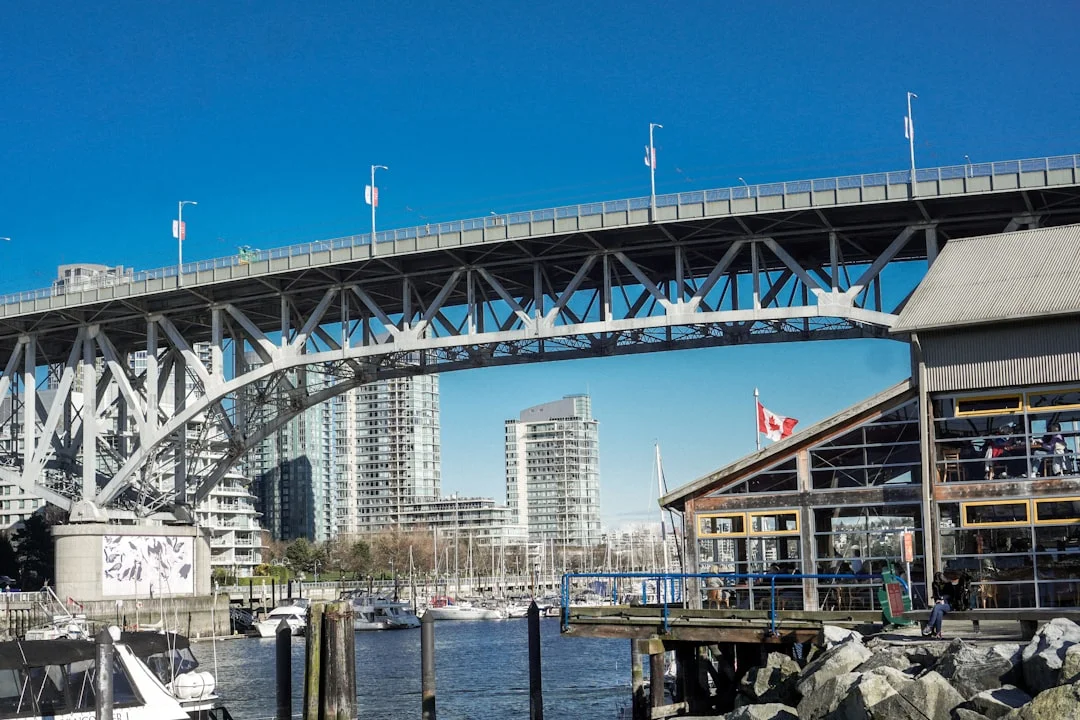
Photo by Chaewool Kim on Unsplash
The reconciliation corridor approach and the broader Vancouver Island rail trail expansion carry important implications for mobility patterns on the Island. If realized, passenger rail between Victoria and Langford could offer an alternative to car commuting through a growing West Shore corridor, potentially easing congestion on Highway 1's approaches to the western communities and diversifying travel options for residents and visitors. The charter documents and planning materials emphasize multi-modal transport integration, including rail, bus, ferry, and road networks, with the aim of reducing highway congestion and lowering emissions. The corridor’s status as a formal asset with potential for rail-enabled intermodal movements gives it strategic value for Island-wide logistics and tourism. (crd.ca)
Indigenous leadership and collaborative governance as a model
A central feature of the December 2025 partnership is the explicit leadership role of Indigenous Nations in corridor planning. The Reconciliation Corridor Initiative recognizes the Island Rail Corridor as an asset whose realignment and use must reflect Indigenous rights and interests. The partners commit to a process that centers Indigenous governance and land stewardship while pursuing transportation improvements. The press release includes direct statements from Indigenous leaders and municipal officials praising the cooperative approach and the potential for shared prosperity. This governance model is notable not just for transport planning but for how large infrastructure projects can incorporate reconciliation and co-management principles, potentially shaping future corridors beyond Vancouver Island. (crd.ca)
Economic development and regional trade implications
From a market and industry perspective, Vancouver Island rail trail expansion intersects with freight logistics and regional economic development. The Island Rail Corridor is positioned to support Port Alberni’s industrial base and FTZ-related opportunities, enabling more efficient rail-marine intermodal operations and connecting Island producers to continental markets. The Island Rail Corporation emphasizes a Port Alberni–centric freight strategy that could complement increased passenger mobility and suburban commuter options as the corridor evolves. While scenarios vary, the shared narrative is one of strengthening supply chains, diversifying transport modes, and supporting local job creation through modernized infrastructure. (islandrailcorp.ca)
Trail-focused benefits: recreation, tourism, and quality of life
The Vancouver Island rail trail expansion, particularly the Humpback Connector, already delivers near-term benefits to residents and visitors. A continuous, well-connected trail network along the corridor enhances non-motorized mobility, connects communities, and supports tourism by giving people safer, climate-friendly options to move between key destinations such as Victoria, Langford, View Royal, and Colwood. The CRD and partner organizations underscore the value of the rail-with-trail approach, which preserves corridor lands and delivers recreational and economic value without requiring immediate heavy reactivation of rail freight. This combination creates a compelling case for both the near-term trail expansion and the longer-term rail revival trajectory. (crd.ca)
Risks and uncertainties that readers should watch
Despite enthusiasm for a Vancouver Island rail trail expansion and potential passenger rail revival, several uncertainties persist. Realignment negotiations with Indigenous Nations, funding availability for long-range rail upgrades, environmental and wildlife considerations, and cross-jurisdictional planning between municipalities, regional districts, and provincial authorities all affect timelines and feasibility. The December 2025 press release explicitly notes that the initiative is about gathering information to inform decisions, not about committing to a particular outcome. In addition, external factors such as natural events (for example, the 2025 Wesley Ridge wildfire that damaged Alberni Valley bridges and infrastructure) can influence corridor conditions and investment priorities. Readers should track official updates from the CRD, the Island Corridor Foundation, and provincial transportation authorities for the latest milestones and adjusted timelines. (crd.ca)
Comparisons with other rail-trail models and regional networks
The Vancouver Island rail trail expansion is part of a broader North American movement to convert disused rail corridors into multi-use trails—often paired with selective rail reactivation for freight or passenger service. The Island Rail Corridor context includes parallel efforts like the Lochside and Galloping Goose trails, which connect communities to create long, continuous routes across Southern Vancouver Island. The ongoing discussions about the E&N corridor’s future, including possible realignments and trail expansions, fit within that larger trend and offer a real-world case study for how Indigenous partnerships, regional governance, and private-sector participation can converge to shape a hybrid rail/trail future. (crd.ca)
Section 3: What’s Next
Short- to medium-term steps and timelines
- Feasibility study for the Island Rail Corridor passenger rail between Victoria and Langford: The December 11, 2025 coalition agreement calls for a technical feasibility study with results anticipated in 12 to 16 months, meaning outcomes could start emerging in late 2026 through early 2027. This study will consider alignment options, potential land realignments, and transit-oriented development opportunities. The study will also inform how Indigenous leadership and municipal partners participate in future decisions. (crd.ca)
- Ongoing E&N Rail Trail expansion projects: The E&N Rail Trail – Humpback Connector is advancing as a paved, multi-use link between Victoria and Langford, with phased construction and multiple trail segments opening as sections are completed. Local and regional agencies emphasize the importance of continued funding, design, and coordination to complete the connector and integrate with neighboring regional trails. Observers should watch for new trail openings, cross-jurisdictional approvals, and updated trail maps that reflect completed sections and new trailheads. (crd.ca)
- Local government planning and alignment with First Nations: The December 2025 partnership has already prompted regional planning discussions among the CRD and partner municipalities, with additional engagement anticipated in 2026 as feasibility results materialize. City of Colwood updates and Langford council materials indicate ongoing consideration of Indigenous-led governance in corridor planning, including potential land realignments and revenue-sharing models tied to rail/mobility outcomes. (colwood.ca)
Medium- to longer-term milestones to monitor
- Potential passenger pilot and phased rail service: If feasibility demonstrates a viable alignment and governance framework, the corridor could see staged introduction of passenger services—potentially starting with short-haul, low-emission options and expanding to intercity routes as demand and funding permit. The Island Rail Corporation highlights a broader plan for a Port-to-Port freight corridor linked to intermodal facilities and a future passenger network, with pilots envisioned as testbeds for technology and operations. Monitoring announcements on pilot projects, funding commitments, and regulatory approvals will be key indicators of momentum. (islandrailcorp.ca)
- Realignment and land returns: The Reconciliation Corridor Initiative explicitly contemplates realigning portions of the Island Rail Corridor to avoid bisecting Indigenous lands. The feasibility work and subsequent negotiations will determine whether and how such realignments can be implemented, what compensation or land returns might be feasible, and what governance structures will manage or oversee realigned segments. The December 2025 PDF includes language from Indigenous leadership about land return and the future of corridor lands. (crd.ca)
- Broader regional integration: As the corridor evolves, watch for updates on connecting freight and passenger services to Vancouver’s mainline networks, potential intermodal facilities, and expansions of the FTZ advantages for Vancouver Island. Island Corridor Foundation and IRC communications emphasize the logistics and trade implications of a revitalized Island Rail Corridor, which could influence broader provincial transport policy and regional economic planning. (www2.gov.bc.ca)
What readers should watch in the near term
- The 12–16 month feasibility window from December 2025 will yield initial findings around corridor alignment, land use, and financial viability. Regional outlets, council meeting notes, and CRD briefings will provide early signals about potential directions and any revised timelines. The official materials stress that the results will be shared with transportation planning entities and the public to inform decisions with evidence, not to declare a predetermined path. (crd.ca)
- Community engagement around Indigenous partnership and land realignment: The Reconciliation Corridor Initiative represents a new governance approach for the Island Rail Corridor. The process will require ongoing dialogue with Lekwungen Nations, Songhees Nation, Esquimalt Nation, and other Indigenous and non-Indigenous stakeholders as alignment options are explored, and as any realignments are designed and assessed. Updates from the CRD and partner nations will be essential reading for readers who want to understand the corridor’s evolving governance framework. (crd.ca)
- Economic and infrastructure implications for Port Alberni and the Island’s FTZ: As plans mature, the freight and intermodal potential of a renewed Island Rail Corridor could shape investment decisions in Port Alberni and other Vancouver Island hubs. The IRC’s long-term vision emphasizes Port Alberni’s role as a deepwater gateway and how rail integration could shift freight patterns, with downstream effects on regional supply chains and job creation. Readers should stay tuned for official assessments and industry commentary on these potential impacts. (islandrailcorp.ca)
Closing
The Vancouver Island rail trail expansion narrative is unfolding at the intersection of transportation innovation, Indigenous partnership, and regional economic development. With the December 2025 Reconciliation Corridor Initiative, a concrete milestone has been set for examining how the Island Rail Corridor could support passenger rail, freight, and enhanced non-motorized trails in a way that respects land rights and community priorities. As feasibility work advances and as trail expansions continue to connect Victoria to Langford and beyond, readers should expect a steady stream of updates from the CRD, Indigenous Nations, and partner municipalities as they translate this moment into a practical, data-driven plan for Vancouver Island’s mobility future. The path forward may blend rail with trail, freight with passenger service, and Indigenous leadership with regional planning—an approach that could redefine how residents travel, how goods move, and how communities collaborate across the Island. Stay tuned for the results of the feasibility study and for ongoing milestones as this ambitious Vancouver Island rail trail expansion program moves from vision to decision-making to action. (crd.ca)

Photo by Mia de Jesus on Unsplash